The full story of
SHELF LIFE
Shelf Life came out of looking at how easily products borrow meaning they don’t actually hold. Confidence, calm, belonging, ambition. All neatly packaged and ready to pick off a shelf. I wanted to see how far that could go. I built a series of fictional products that feel completely real at first glance. Familiar formats, convincing packaging systems, and copy that sounds just right until you read it twice. The work leans into retail logic rather than stepping outside it. By keeping everything believable, Shelf Life shows how little it takes for design to construct desire, and how quickly we start buying into things that were never really there to begin with.
Scope
Packaging
Academic Project
Critique
Timeline
5 Weeks
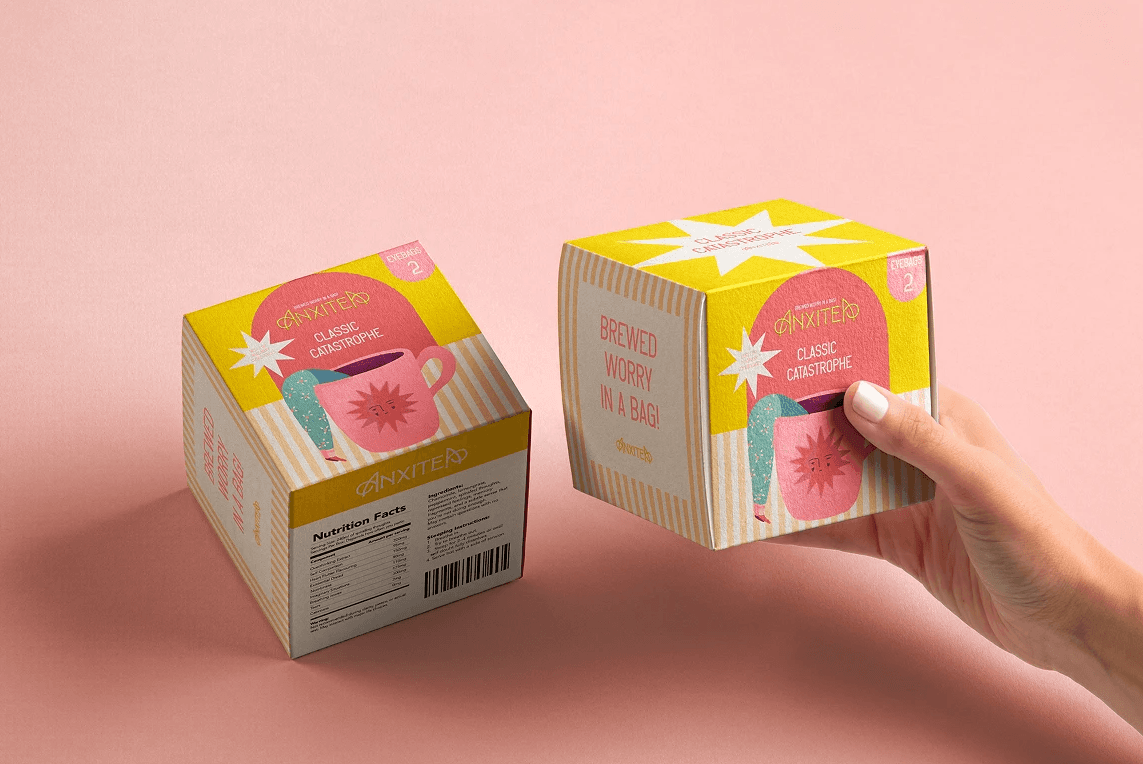

Anxiety
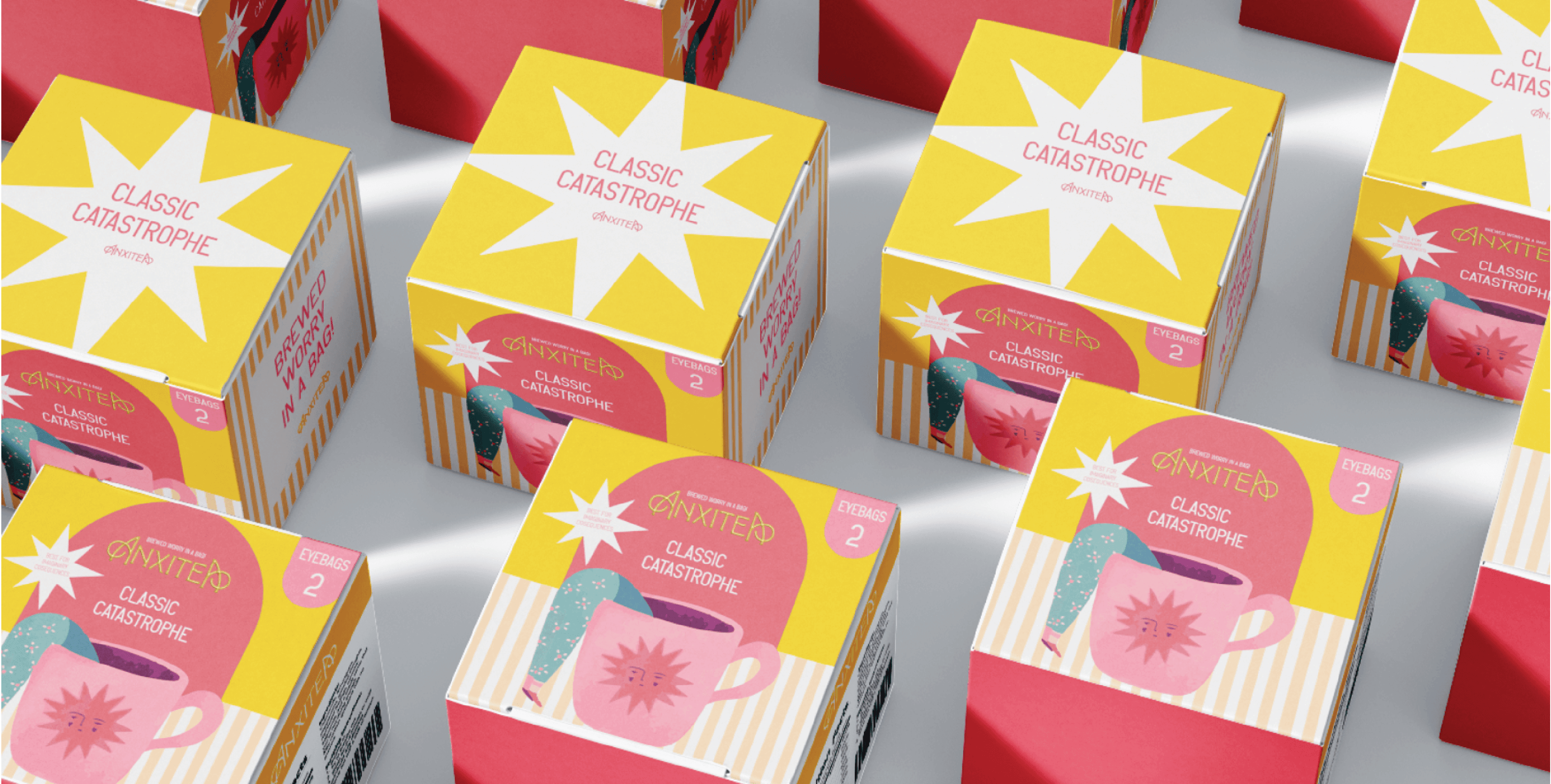
A packaged tea that critiques the booming wellness beverage market. Anxitea mimics herbal calming teas but pushes the ingredient language to an unsettling extreme, reflecting how “wellness” products often market anxiety itself while claiming to soothe it.


Minglo
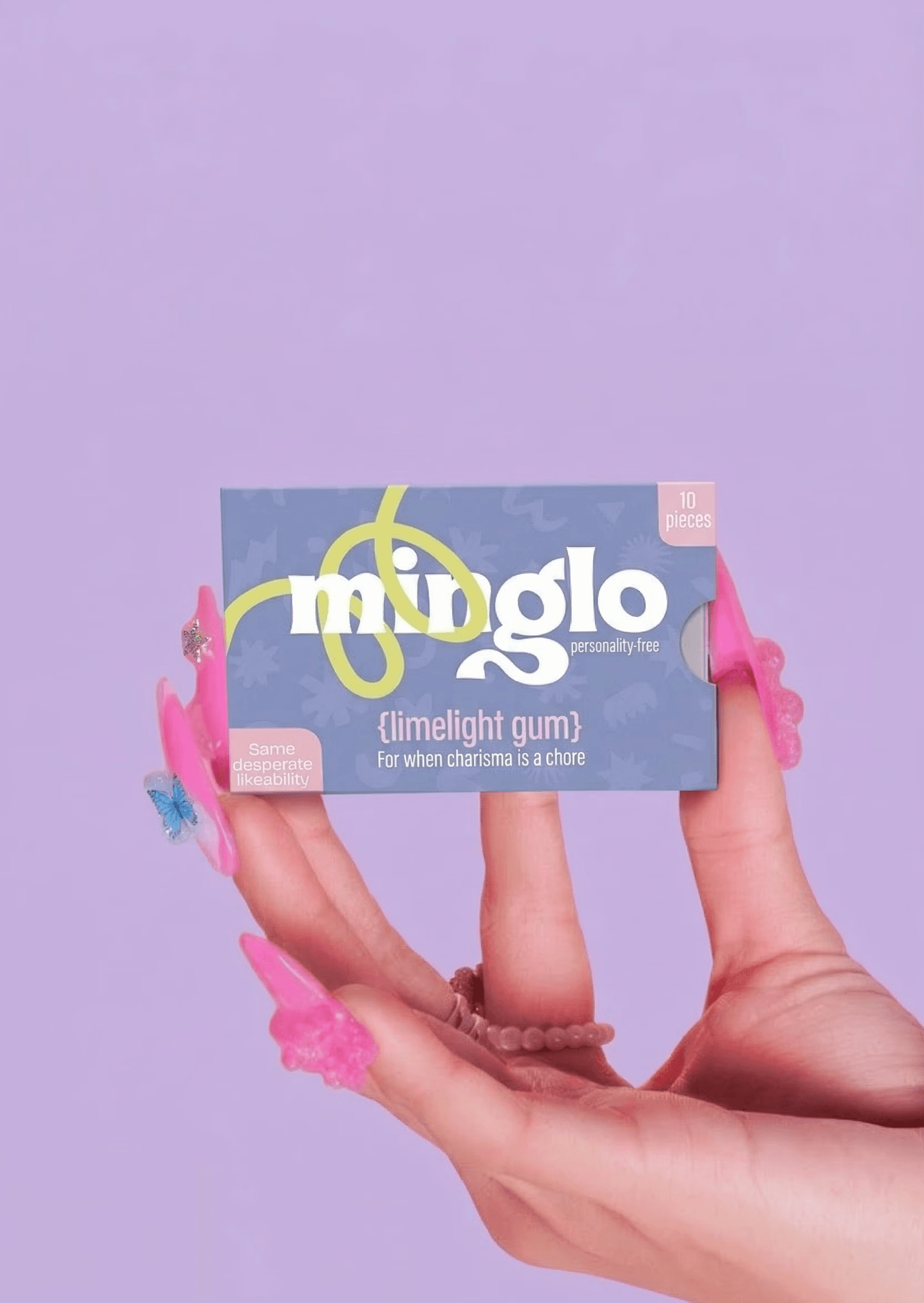
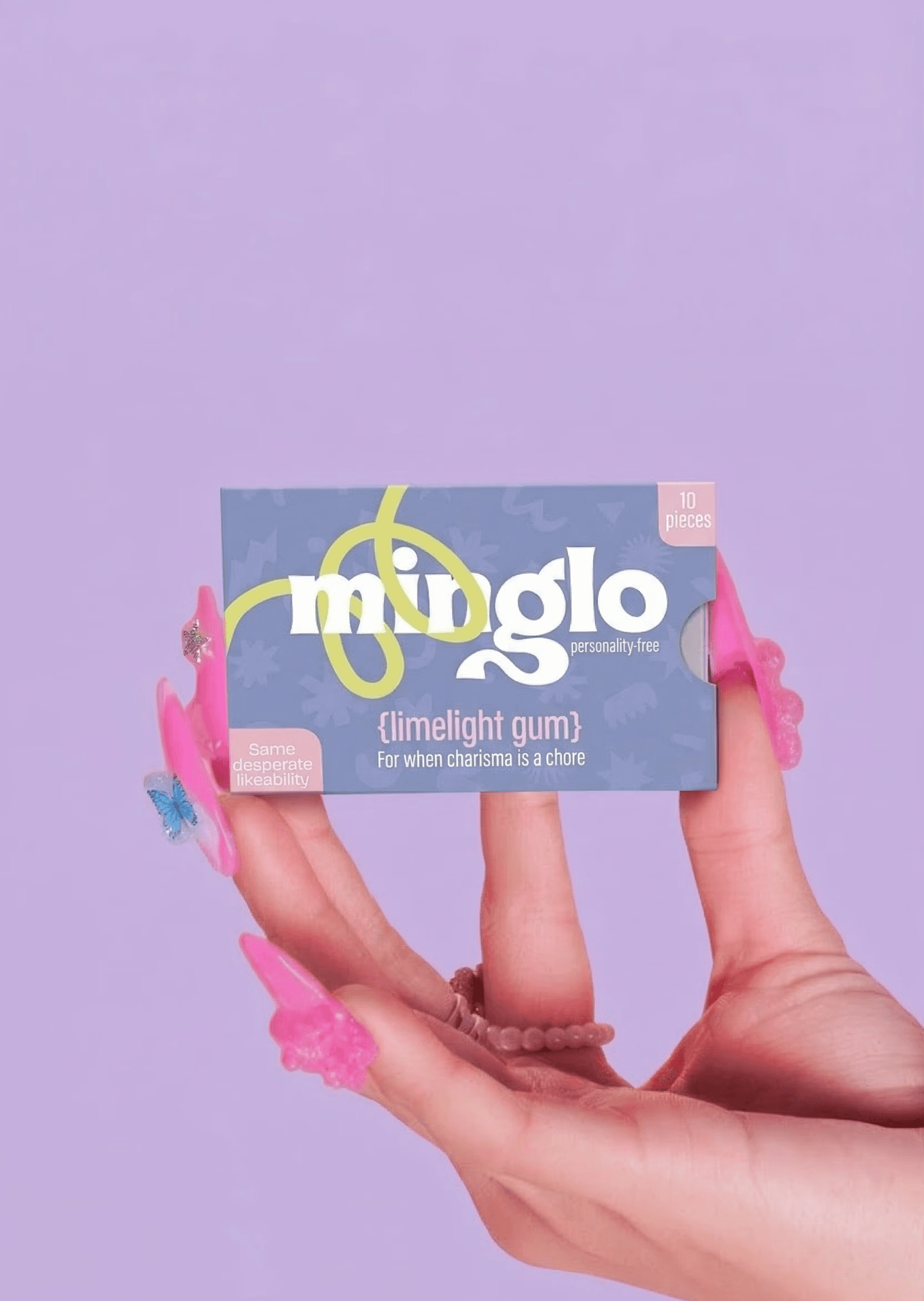
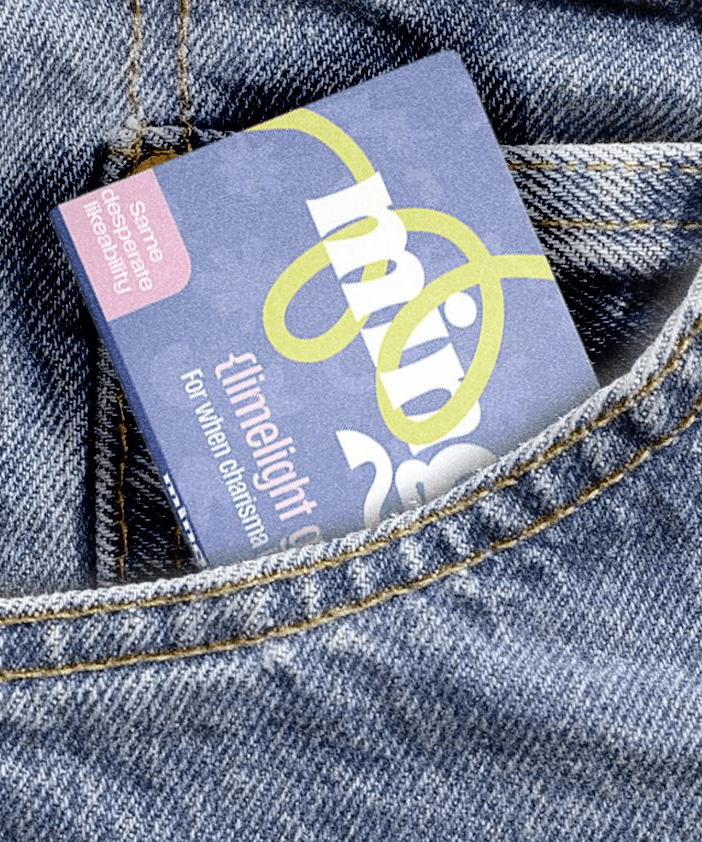
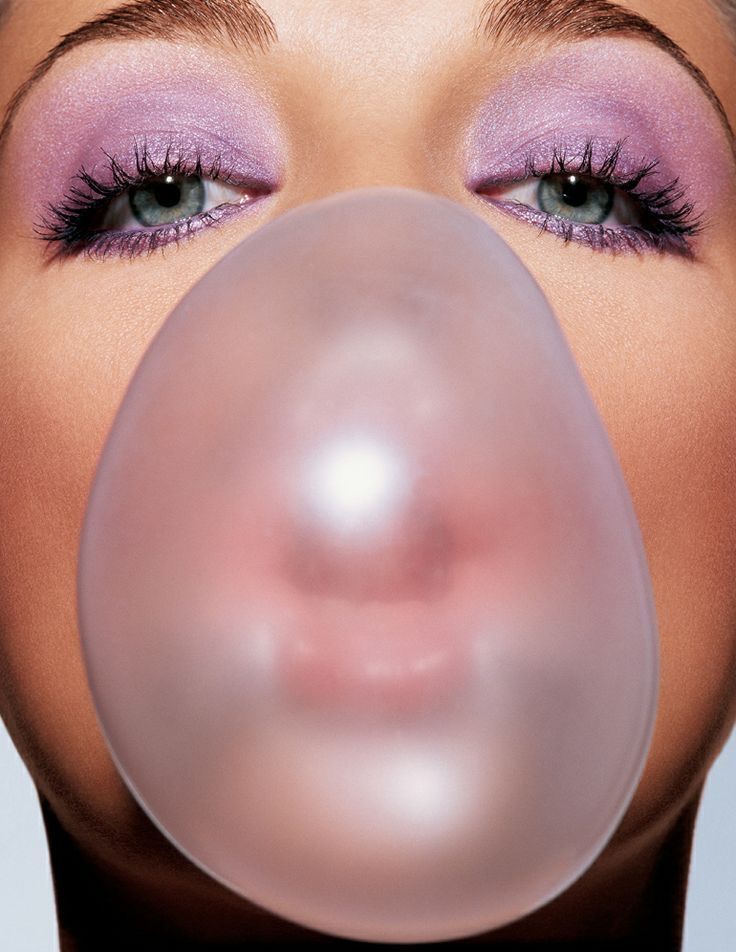
A personality chewing gum that promises to give the user instant charisma. Minglo plays on the idea that identity and confidence can be consumed like a product, packaging personality as a quick, chewable solution for fitting in.


Tweak
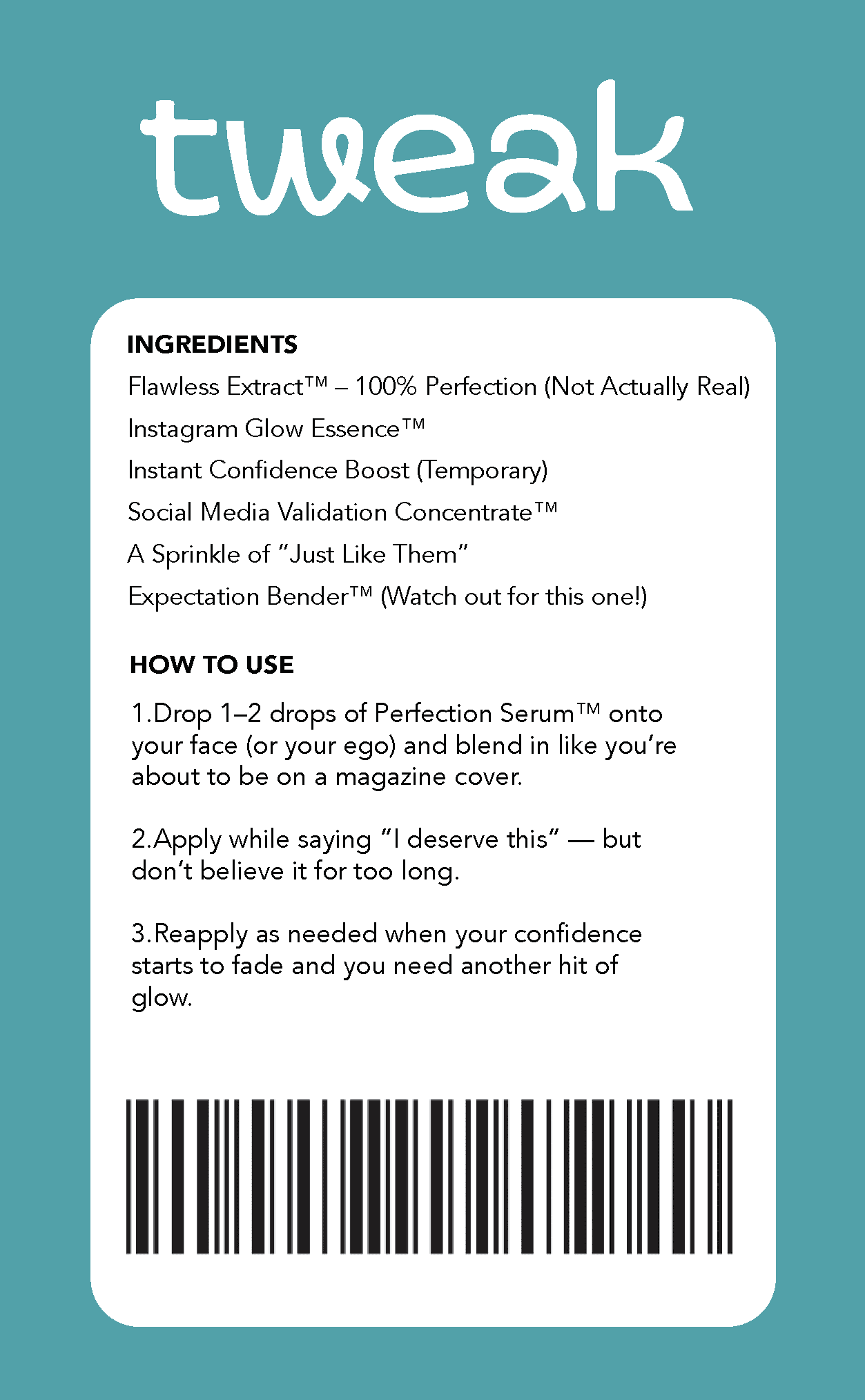
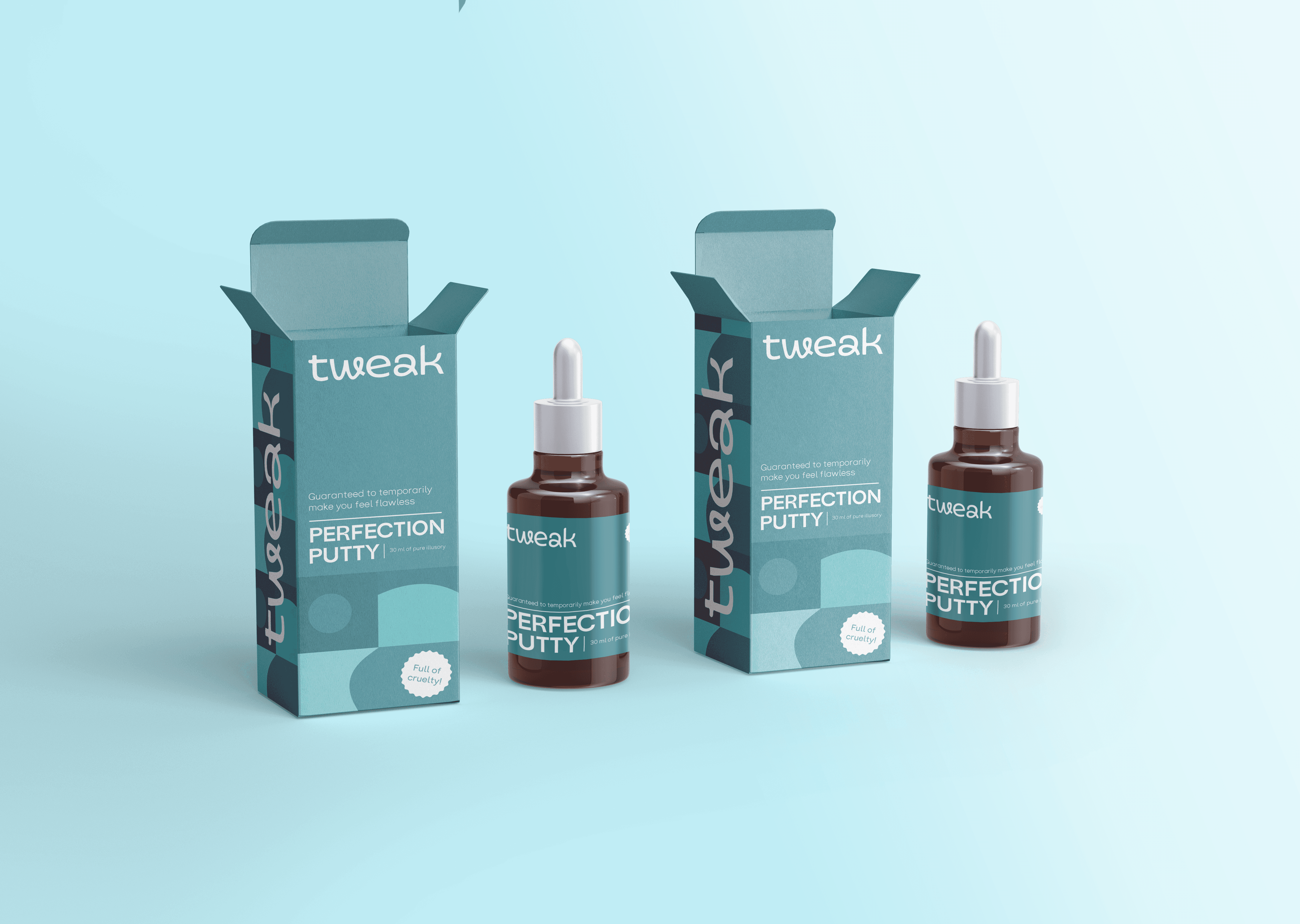
A cosmetic-style serum that satirizes the promise of self-improvement through beauty products. Tweak Serum exaggerates the language of skincare marketing, where minor “enhancements” are packaged as life-changing transformations, turning the idea of personal improvement into something bottled, branded, and endlessly purchasable.


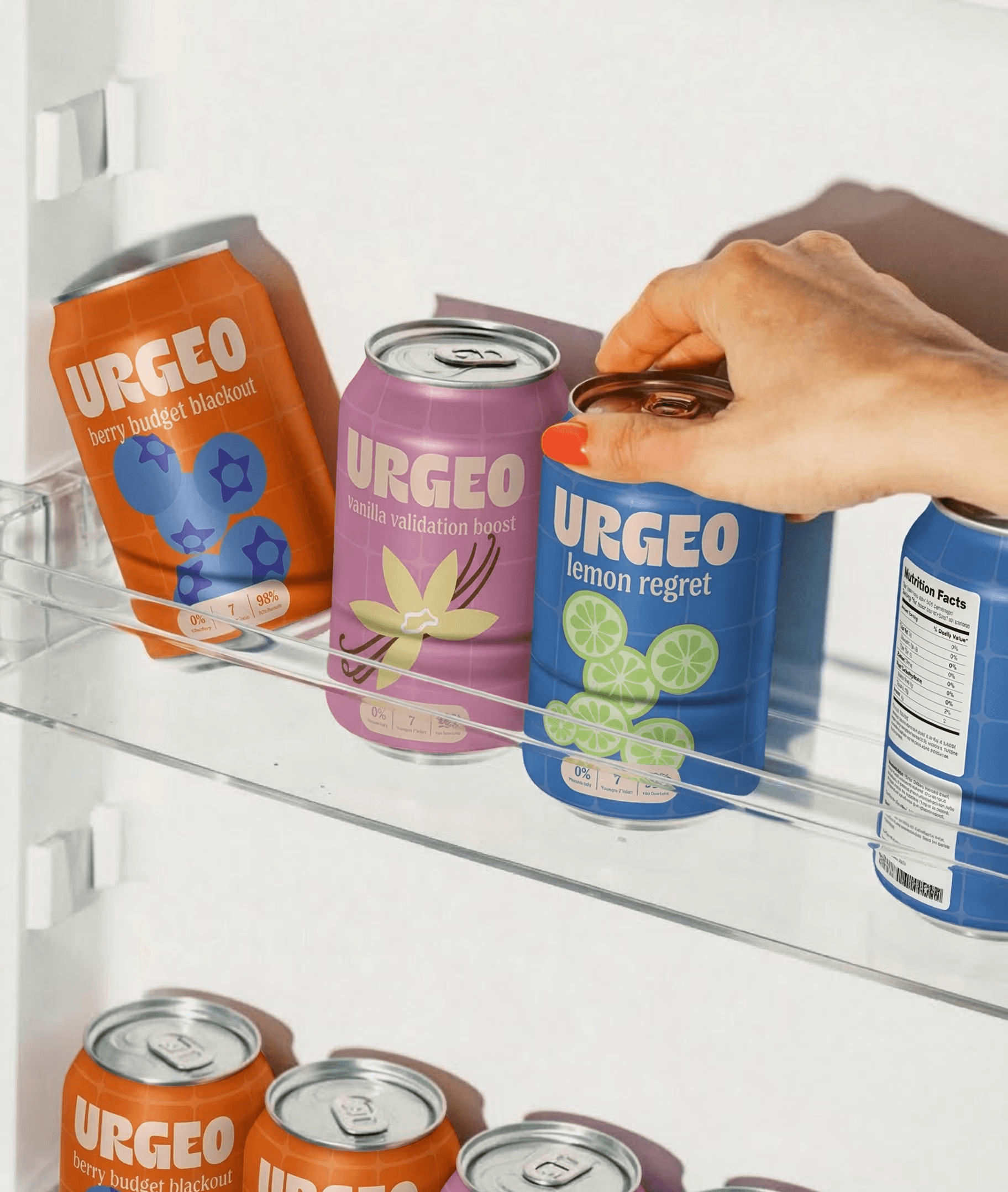
Urgeo
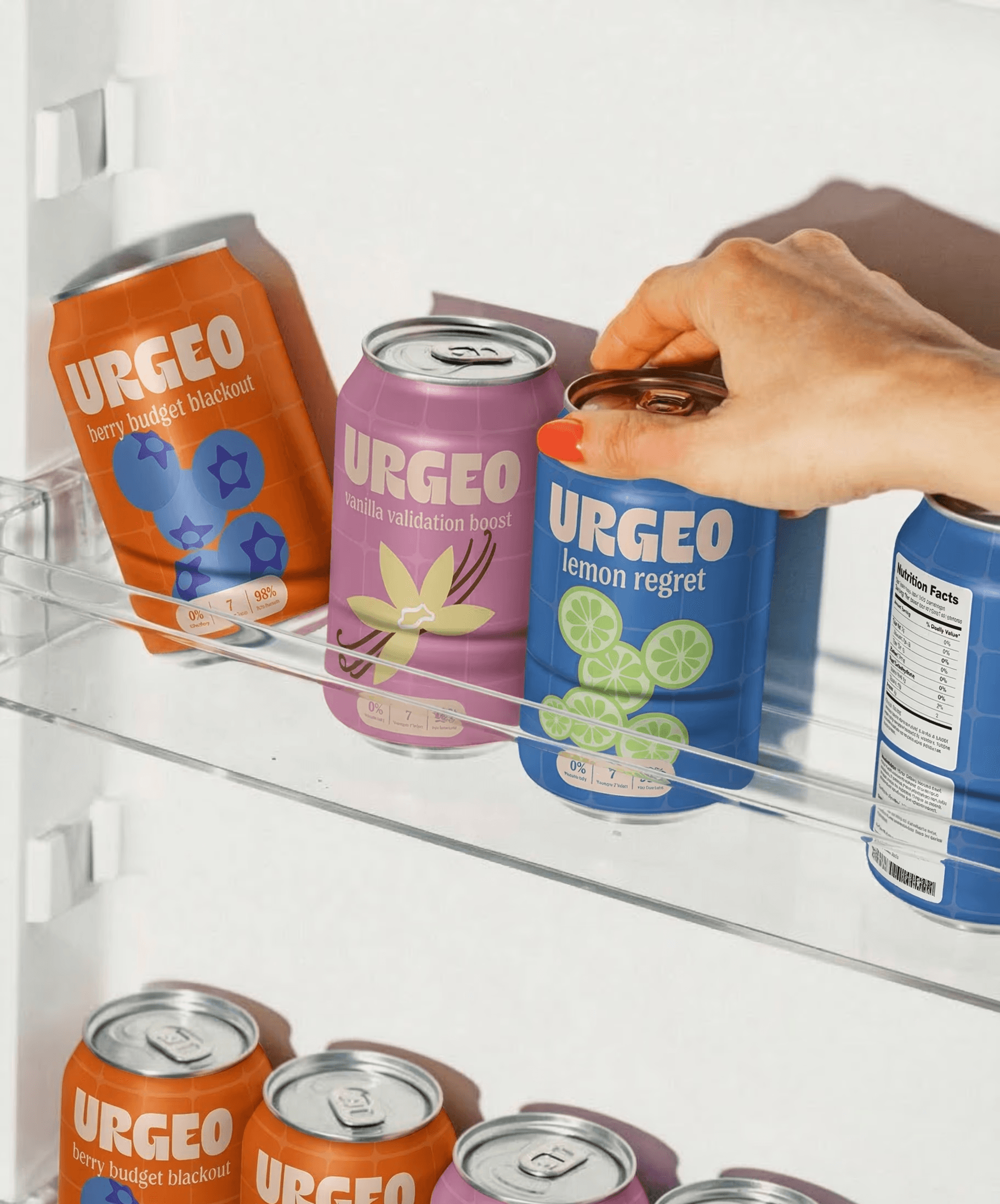
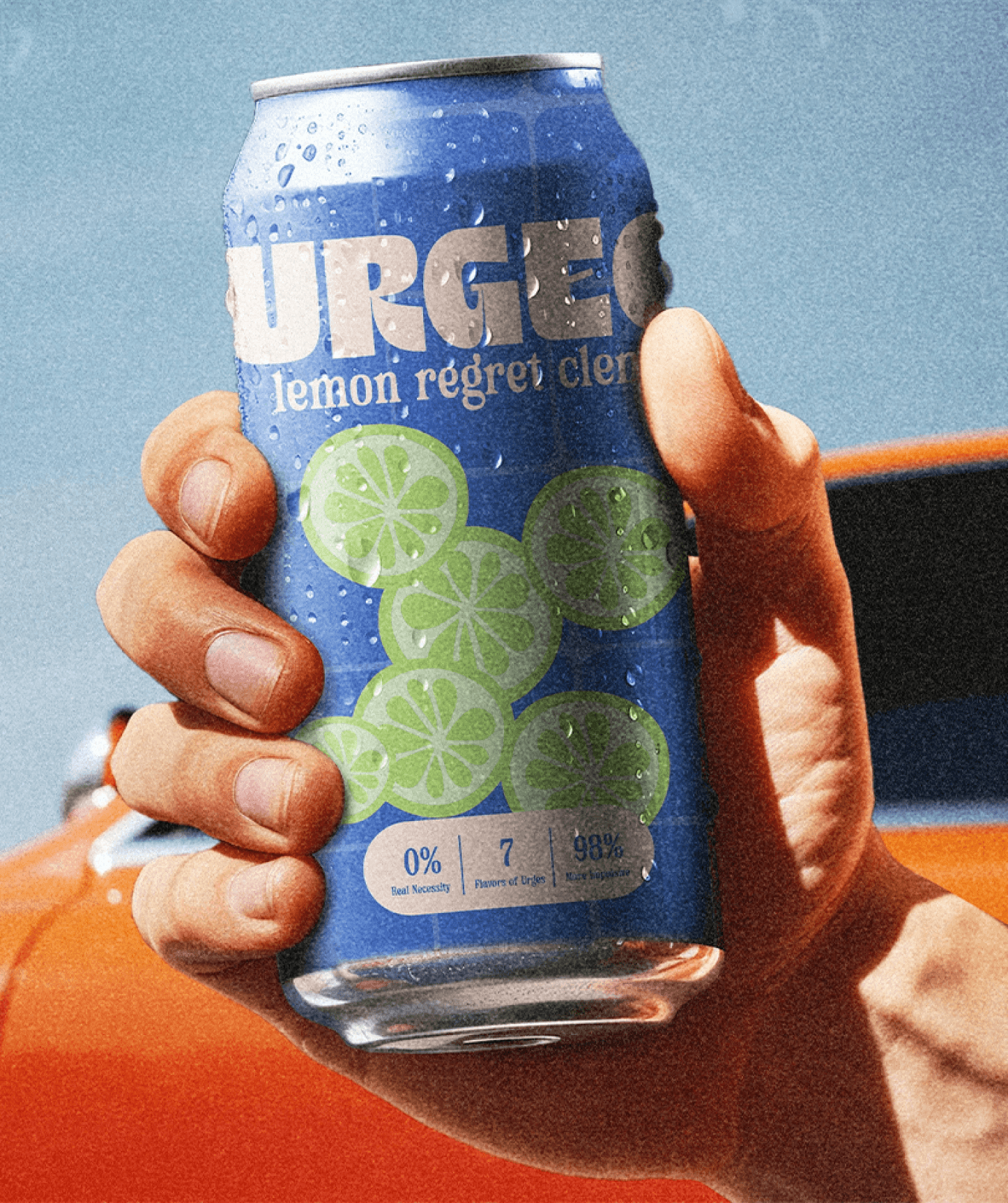
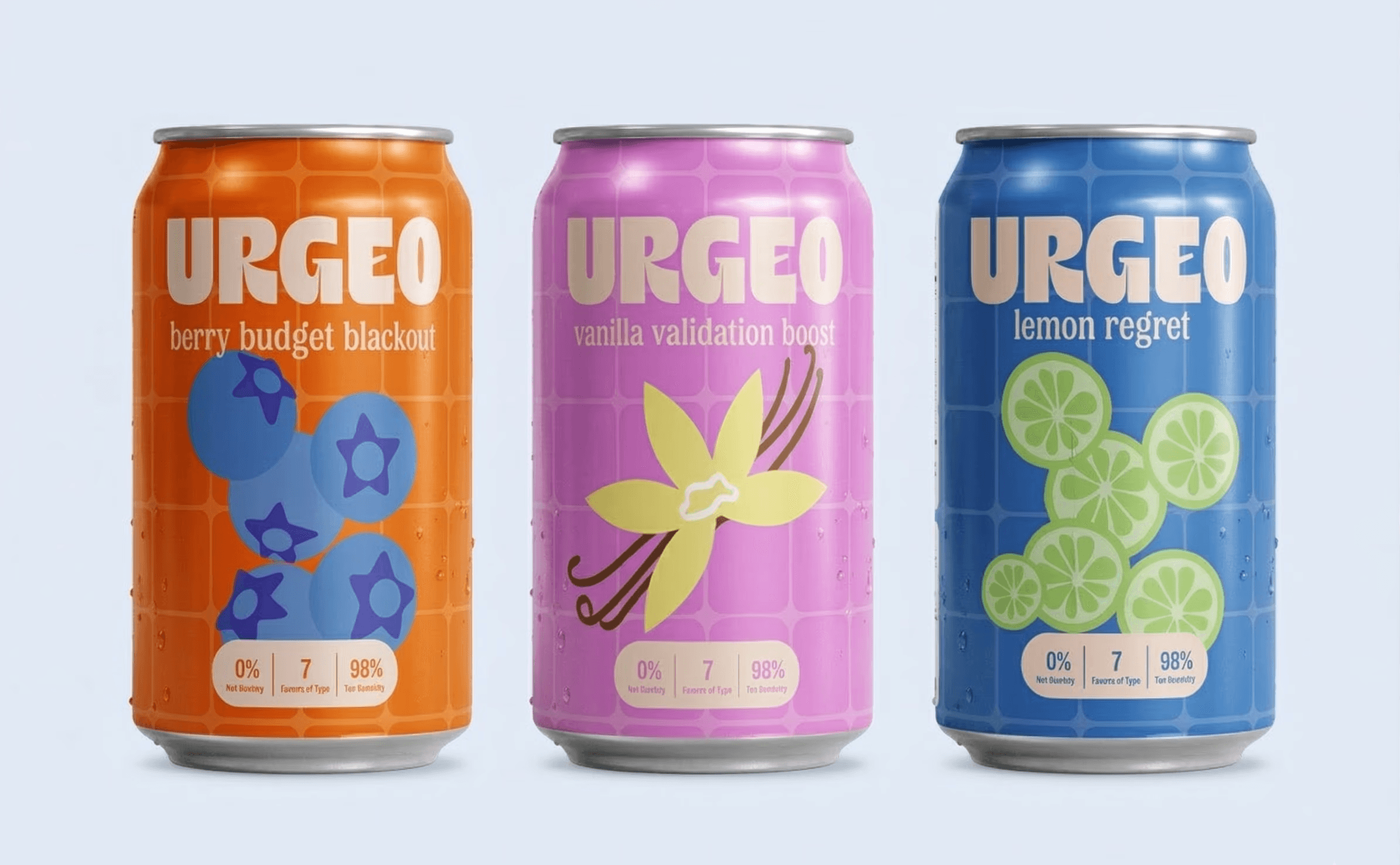
A canned drink designed around the culture of instant gratification. Urgeo sells the idea that urgency and motivation can be consumed on demand, parodying energy drinks and productivity culture where every urge, impulse, or ambition needs to be satisfied immediately.

Dive Deeper
The Shelf Life™ catalogue is designed as a product lookbook that stages the collection as if it belongs in a real retail environment. Using stylized product photography, bold layouts, and exaggerated marketing copy, the book presents each item as a desirable consumer object while quietly revealing the absurdity of packaging emotions, urges, and identity as purchasable goods.